 Insurance Dispute Lawyer Blog


 When tragedy strikes, seconds matter. Any delay to the emergency response network can cost lives and livelihoods. When a train runs through an intersection, all activity has to yield to that train. What follows is the calamitous story of how a train may have prevented EMS from responding to a fatal accident. It also helps answer the question; Can a train be held liable for the delay in emergency services?
Wilson Battley Jr. was driving down the road when he ran into a turning tractor-trailer. Fire and police crews swarmed the area to get Mr. Battley out from under the tractor-trailer. Unfortunately, while this accident unfolded, a KCS train entered and blocked the western side of the intersection where Mr. Battley was stuck. Wilson died under that truck before emergency services could get him out.
Wilson’s surviving family sued KCS, the train company, for knowingly blocking the intersection and delaying emergency services. Wilson claimed the train conductors knew about the accident and decided to block the intersection anyway, thus delaying emergency services which quickened Wilson’s death. In the 19th judicial district, the court awarded summary judgment to KCS because the court found Wilson had failed to present evidence that any emergency services were delayed due to the train. On appeal in the First Circuit Court of Louisiana, the court considered the testimony presented from both sides to determine if anyone was delayed by the train.
 Losing a loved one is hard enough. What happens, however, when multiple people claim they have a right to the same property the decedent owns at the time of their death? Cases involving multiple parties and claimants can get tricky, especially when one claimant was the decedent’s spouse and the other was their descendant, as was the case in the following lawsuit.
  Winning a lawsuit against an employer can be challenging. Employees are often transient, while the employer is an anchor in their community. Employer responsibility for an employee’s negligent action requires significant factual evidence. In a recent case out of St. John the Baptist Parish, a missing former employee and a lack of facts prevented the injured party from winning.
  Imagine being on a jury – everything you hear has gone through a process of admittance to be used as evidence during the trial. What the jury is told often plays a role in what the jury thinks of the parties and how it assigns blame amongst them. The following lawsuit explores what happens when a defendant challenges the admittance of a piece of evidence it believes unfairly swayed the jury against it. It also helps answer the question; can a litigant exclude evidence in a car accident lawsuit?
 Personal injury cases can often drag out for years in a confusing manner. This is especially true when there are disagreements about the proper venue and subject matter jurisdiction. A recent appeal discussed below tackles the challenges of dismissal of actions due to a lack of jurisdiction and the timing requirement of prescription.
 Car accidents are extremely traumatic events that can impact the lives of anyone involved. The legal issues arising after a car accident can be complex and affect everyone involved. For example, what are the rights of a tutor when bringing claims on behalf of the children they are responsible for? Will they be considered “parents” under the law and be allowed to bring a claim for loss of consortium? The following case out of Baton Rouge discusses those issues in relation to a car accident.
 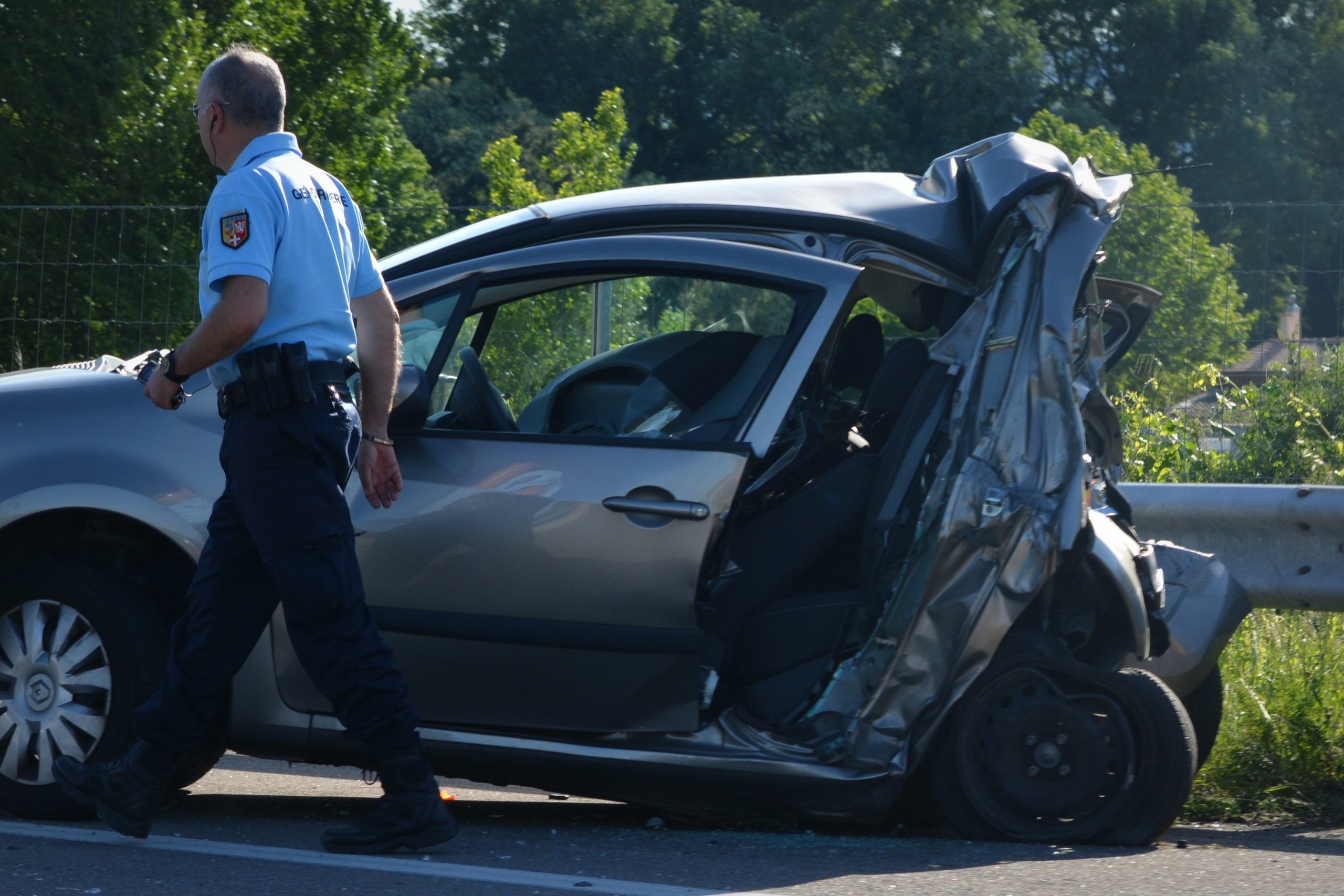 Complex insurance issues can add more hassle to the damage from a car accident. What happens if you’re in an automobile accident after failing to pay your insurance premium? Can you still get coverage for your claims? The following case out of Baton Rouge shows why insurance companies must follow proper procedure and offer evidence of cancellation or suffer consequences.
 Although a car accident may result in minor damage to your vehicle, it can cause greater damage to your life. By seeking medical treatments and altering your lifestyle due to accident-related injuries, you deserve to be adequately compensated. The following lawsuit, out of Jefferson Parish, Louisiana, shows how courts deal with damage awards and the request to increase the same.
 While a settlement can be a beneficial way to end a legal dispute, it can have long-lasting implications. If you are considering signing a settlement agreement and release, you must understand the possible effects of entering into such an agreement. A prior settlement agreement and release could result in a dismissal of a future lawsuit you bring against a party on the other side of the settlement agreement. The following lawsuit shows why one should carefully review any settlement agreement before signing. Otherwise, you may suffer harsh consequences.
 Courts often rely on motions for summary judgments to avoid the costly and time-consuming reality of going to trial and presenting a case in front of a jury. Motions for summary judgment are when one party asks the court to decide the case based on the current facts alleged in their favor. Courts should grant these motions when there are no facts in dispute for the jury to resolve. But how much evidence does a party have to present to survive one of these motions? A case out of New Orleans shows that, in some cases, just having medical records could be enough to deny a motion for summary judgment.