 Insurance Dispute Lawyer Blog


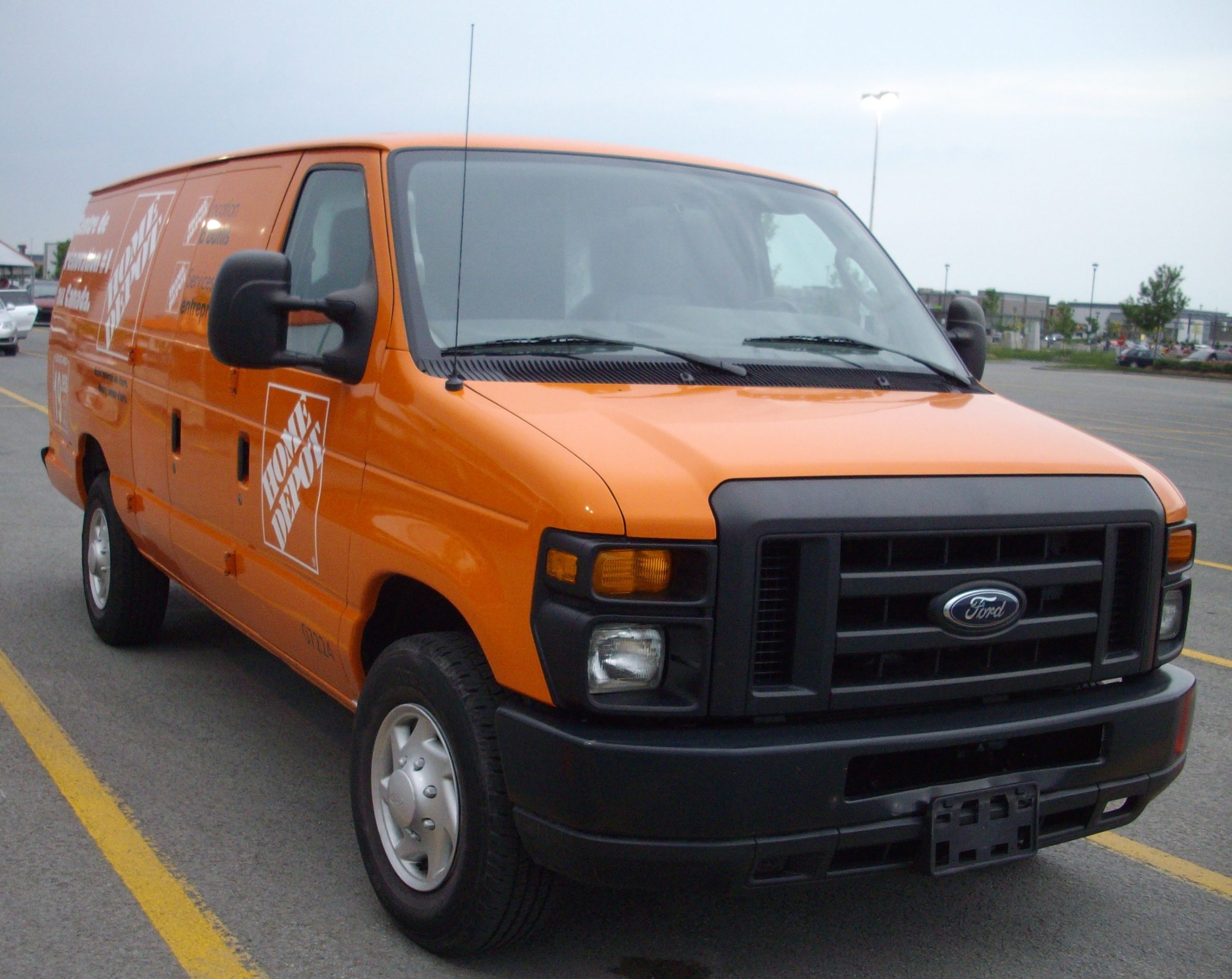 If you are walking down the aisle of a store and fall and injure yourself, you may think you have a winning lawsuit. However, that is not always the case. A recent lawsuit out of Gretna, Louisiana, establishes what a plaintiff needs to prove when filing a slip-and-fall lawsuit in Louisiana.
Terry Collins was walking down one of the lumber aisles in a Home Depot in Gretna, Louisiana when he slipped and fell on a liquid substance spilled on the floor. Home Depot and ISS Facility Services, Inc. had a Maintenance Services Agreement and before Collins fell, ISS employees used a floor-cleaning machine around where Collins slipped. Following the accident, Collins and his wife filed a lawsuit against Home Depot and ISS.
Home Depot moved for summary judgment, asking the court to decide in its favor based on the current facts. Home Depot argued under La. R.S. 9:2800.6. Collins failed to prove Home Depot had actual or constructive notice, meaning Home Depot employees were actually aware of or should have been aware of the spilled liquid in the aisle.
 Schools are institutions for learning and public meeting spots for numerous events. People come and go daily and the safety of all visitors is paramount. But what happens when a visitor to a school is injured on the premise? Can a school be held liable for a visitor’s injuries on its campus? The following case out of Kentwood, Louisiana, shows the need for adequate proof when pursuing a trip and fall lawsuit against a school.
 When someone is injured in an accident, the question often arises, who is at fault? Certain factors must be met to find fault in an injury case. The following case outlines the elements which must be proven to file a personal injury lawsuit against a public park in East Baton Rouge.
  An important safeguard in the law is the requirement for an accusing party to support its allegations with facts and, ultimately, evidence. There are multiple reasons to have this protection in place. Proceeding with a claim that makes a wrong conclusion against another party would not be particularly fair or just, nor would it be an effective use of court resources.
 Car accidents are extremely traumatic events that can impact the lives of anyone involved. The legal issues arising after a car accident can be complex and affect everyone involved. For example, what are the rights of a tutor when bringing claims on behalf of the children they are responsible for? Will they be considered “parents” under the law and be allowed to bring a claim for loss of consortium? The following case out of Baton Rouge discusses those issues in relation to a car accident.
  After a workplace accident, an employee may be flustered, but it is essential that the employee promptly becomes knowledgeable about court requirements and deadlines. If a claim is not filed within an allocated timeline, the claimant may be barred from bringing the claim forward. The following case out of Jefferson Parish shows why, if you’re fax filing a lawsuit, you must follow the rules precisely.
 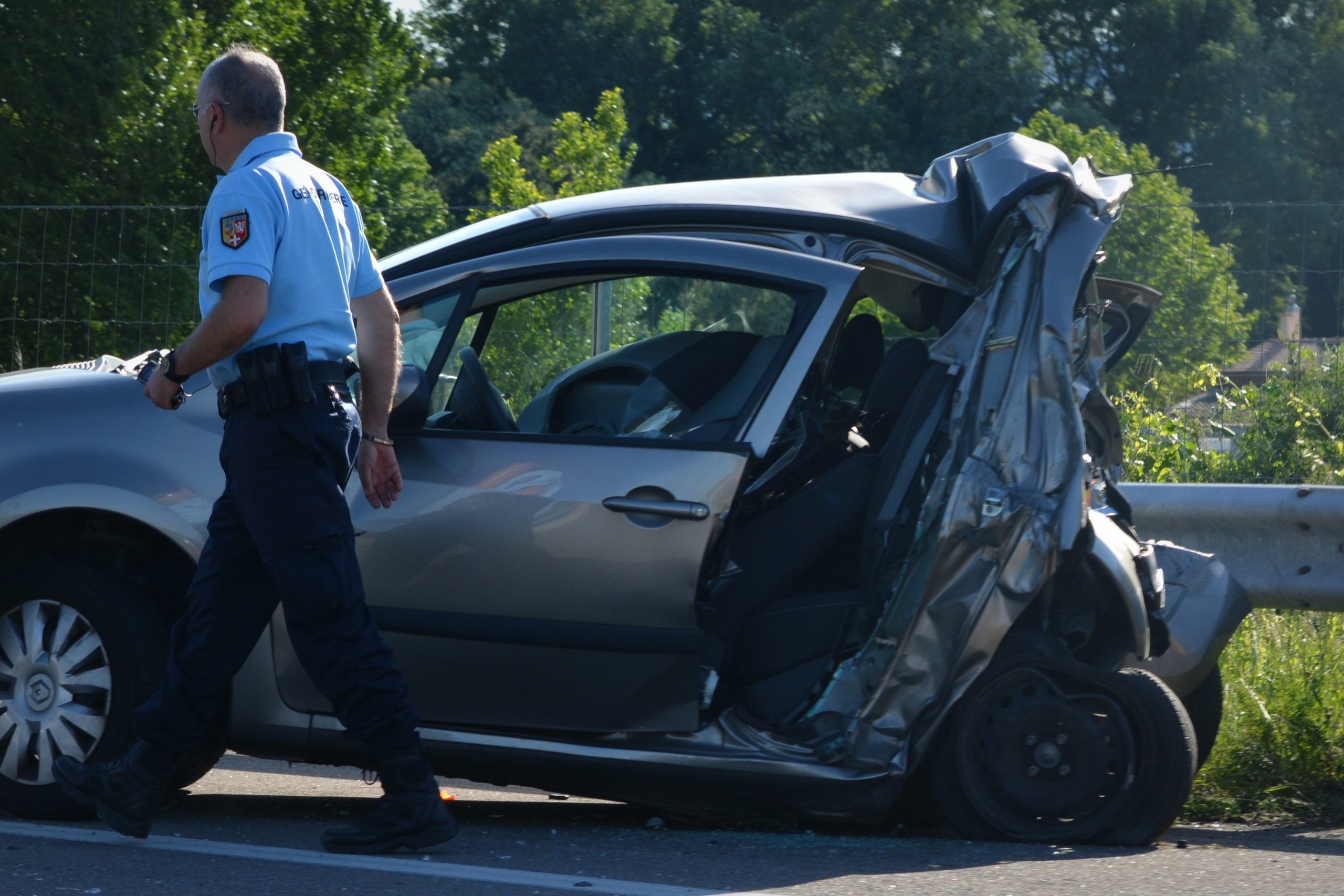 Complex insurance issues can add more hassle to the damage from a car accident. What happens if you’re in an automobile accident after failing to pay your insurance premium? Can you still get coverage for your claims? The following case out of Baton Rouge shows why insurance companies must follow proper procedure and offer evidence of cancellation or suffer consequences.
 Although a car accident may result in minor damage to your vehicle, it can cause greater damage to your life. By seeking medical treatments and altering your lifestyle due to accident-related injuries, you deserve to be adequately compensated. The following lawsuit, out of Jefferson Parish, Louisiana, shows how courts deal with damage awards and the request to increase the same.
 Getting treatment and medication can be challenging when recovering from an on-the-job injury. If you are injured at work, you may want to pick up prescriptions at the local pharmacy closest to you. While you may have interpreted Louisiana’s Workers’ Compensation statutes to allow for “choice of pharmacy” in the past, the rule is clear. The following case out of the Louisiana Supreme Court shows why the choice in pharmacy for a work-related injury belongs to the employer.
 While holding the owner responsible for a dog’s behavior is typically the norm, most reasonable people would know not to approach a barking dog in a gated residence. However, Demetrious Frazier found himself at odds with Luke Difulco after being bitten by one of his dogs while performing his work duties at their home. The following lawsuit answers the question; if you approach a barking dog and it bites you, is the owner liable for your injuries?