 Insurance Dispute Lawyer Blog


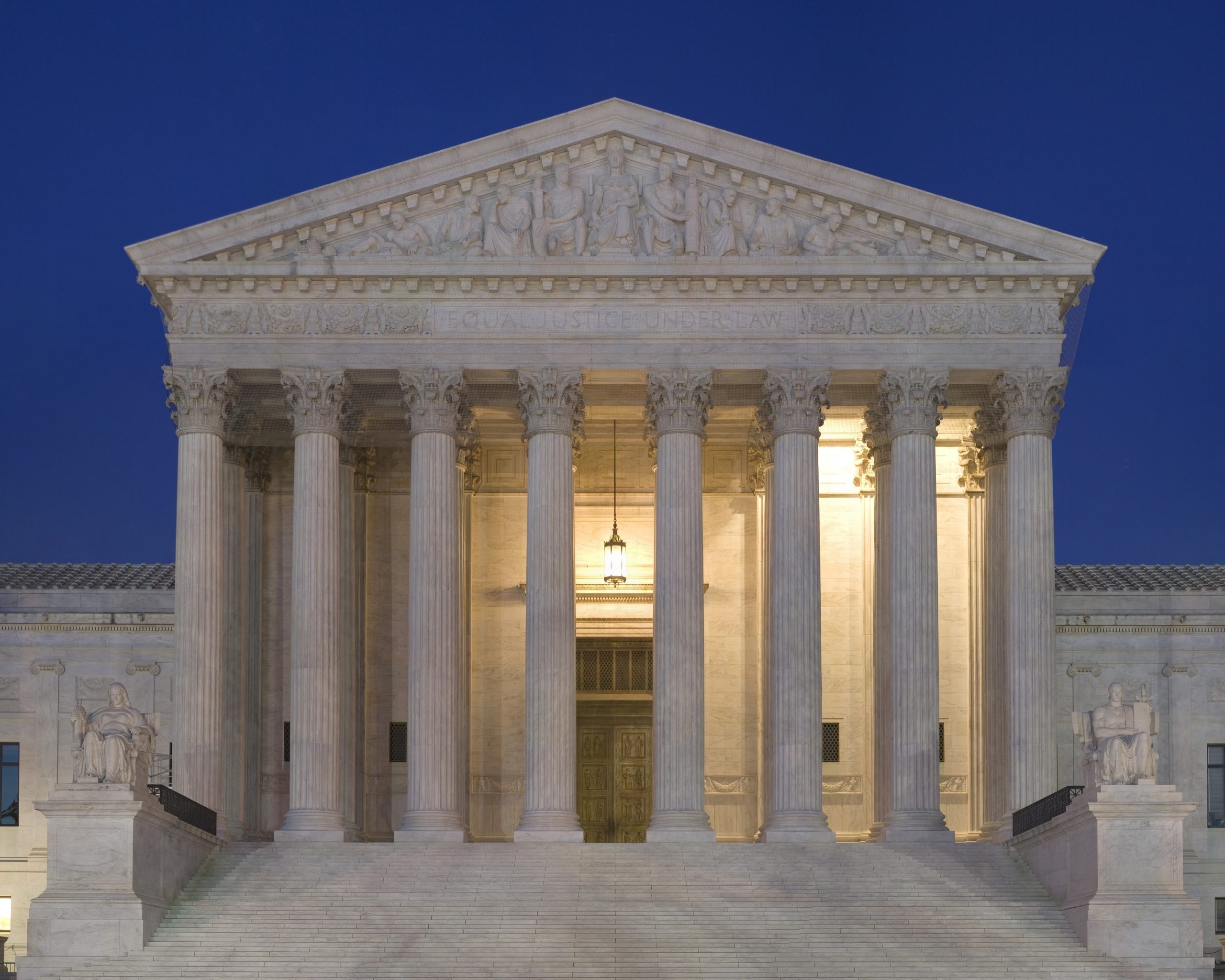 If you are in a car accident and your insurance pays your claim, you likely expect the same thing will happen if you are subsequently in a similar accident. What happens if your insurer paid your prior claim, but tries to deny a subsequent claim?
Brandon Forvendel was injured in a car accident. When the accident occurred, he was driving a car he owned and was insured by State Farm. Forvendel had uninsured motorist coverage. After the accident, Forvendel recovered under his uninsured motorist policy.
When the accident occurred, he was living with his mother, who also had insurance through State Farm. Forvendel also tried to recover under his mother’s uninsured motorist policy, which had higher policy limits. State Farm denied his attempt to recover under both his and his mother’s policies under the anti-stacking provisions in La. R.S. 22:1295(1)(c). Forvendel then filed a lawsuit against State Farm.
 Dealing with the aftermath of a flood is never fun. This is especially true when the flood damages one of your vehicles. This is the situation Michael Jacobs found himself in after one of his cars was damaged in a flood. After a long fight with his insurance company, he eventually prevailed and was awarded damages.
  It can be challenging to interpret insurance policies, especially when they involve complex provisions such as coverage for an additional insured. Before signing an insurance policy, it is imperative to understand its language and what it does and does not cover. Here, the plain language of the insurance policy proved instrumental in the appellate court’s ruling.
 Most of us get into contracts, not fully understanding all the ins and outs of what we are signing. Similarly, the multiple provisions that can slither their way into contracts can include things like forum selection clauses which can be easily overlooked. But when a lawsuit erupts, can you argue a provision isn’t applicable? The
  In the realm of insurance coverage disputes, a recent case has brought attention to the application of policy exclusions and their impact on the availability of coverage. Daphne Richardson Valteau took legal action after her father had been stabbed to death on premises owned by The Terraces Limited Partnership (“The Terraces”). The Terraces was managed by Latter & Blum Property Management, Inc. (“Latter & Blum”), while another company, Patriot Protection Agency, Inc. (“Patriot”), had been handling the security services for The Terraces.
 The story of an underdog seeking justice against a powerful corporation is a familiar legal narrative. And while we may be inclined to root for the little guy, that does not relieve him from proving he has a valid case.
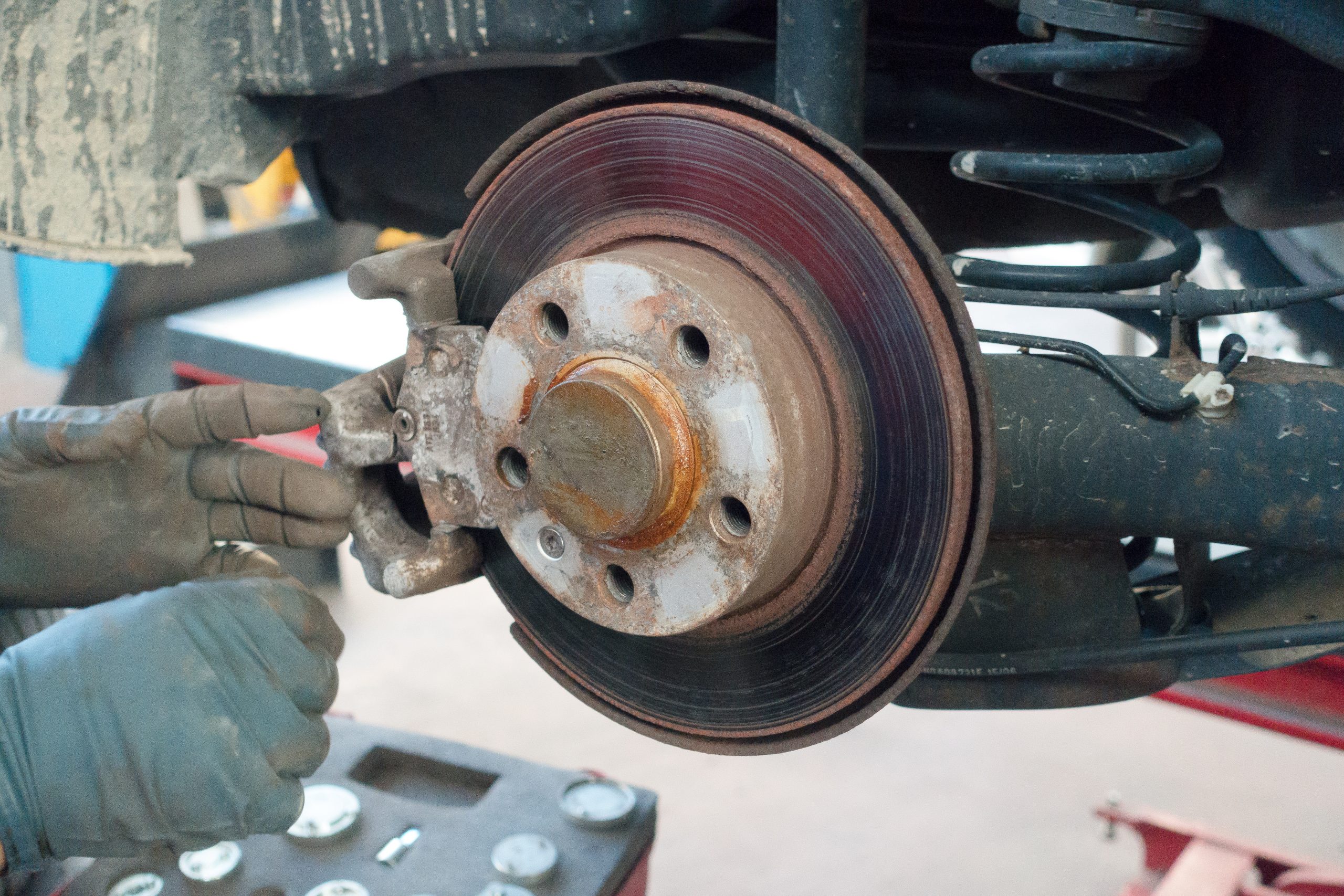 If you have been involved in a motorcycle or car accident, you might not know how an expert witness could help support your claim in court. What happens if there is conflicting testimony from each party’s expert witness about the cause of the accident?
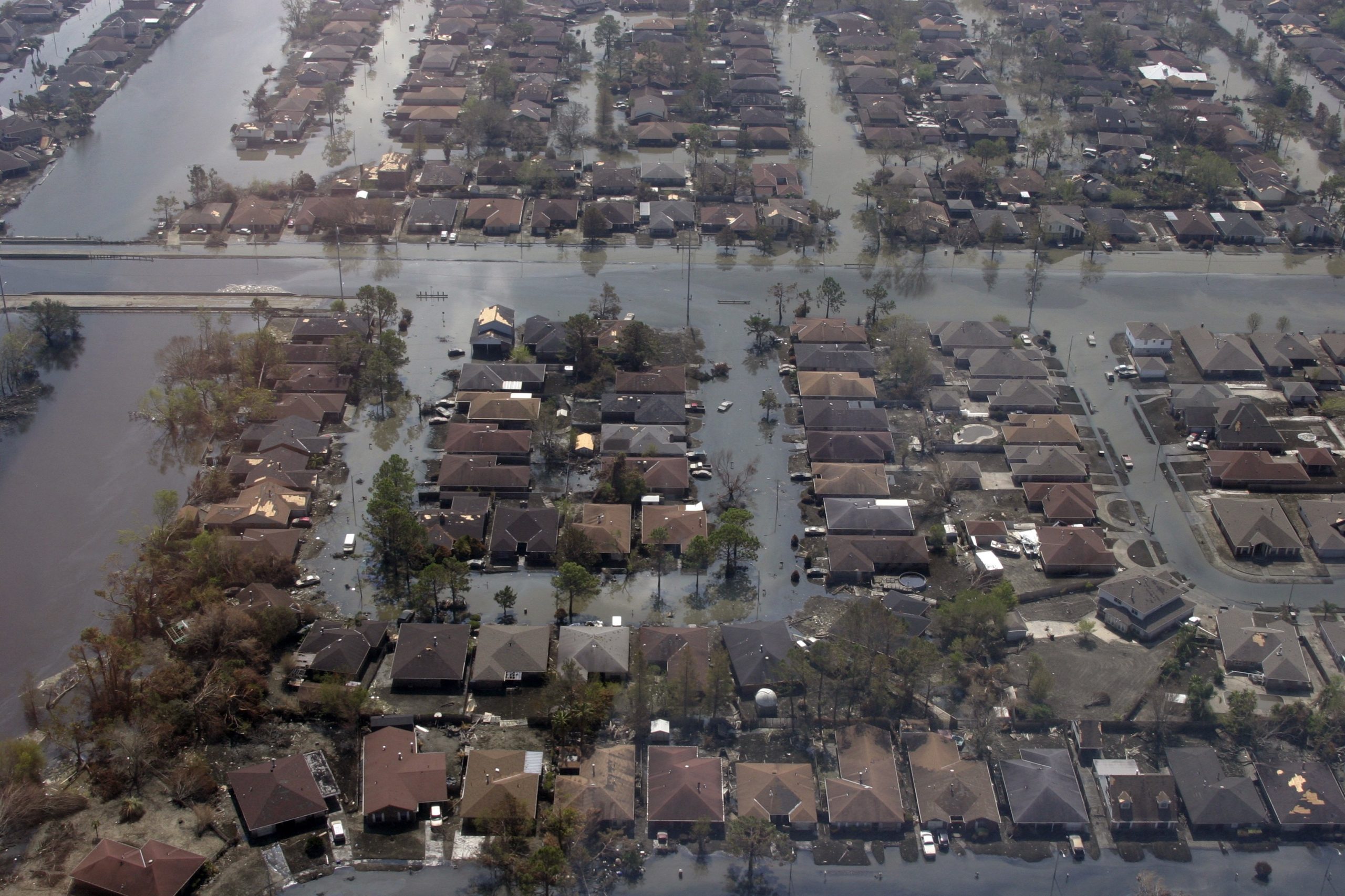 Hurricanes do not discriminate. Regardless of age, wealth, gender, health, or race, hurricanes are merciless to all they come in contact with. Such was the case for Ms. Taylor, who experienced the wrath of Hurricane Katrina in 2005.
 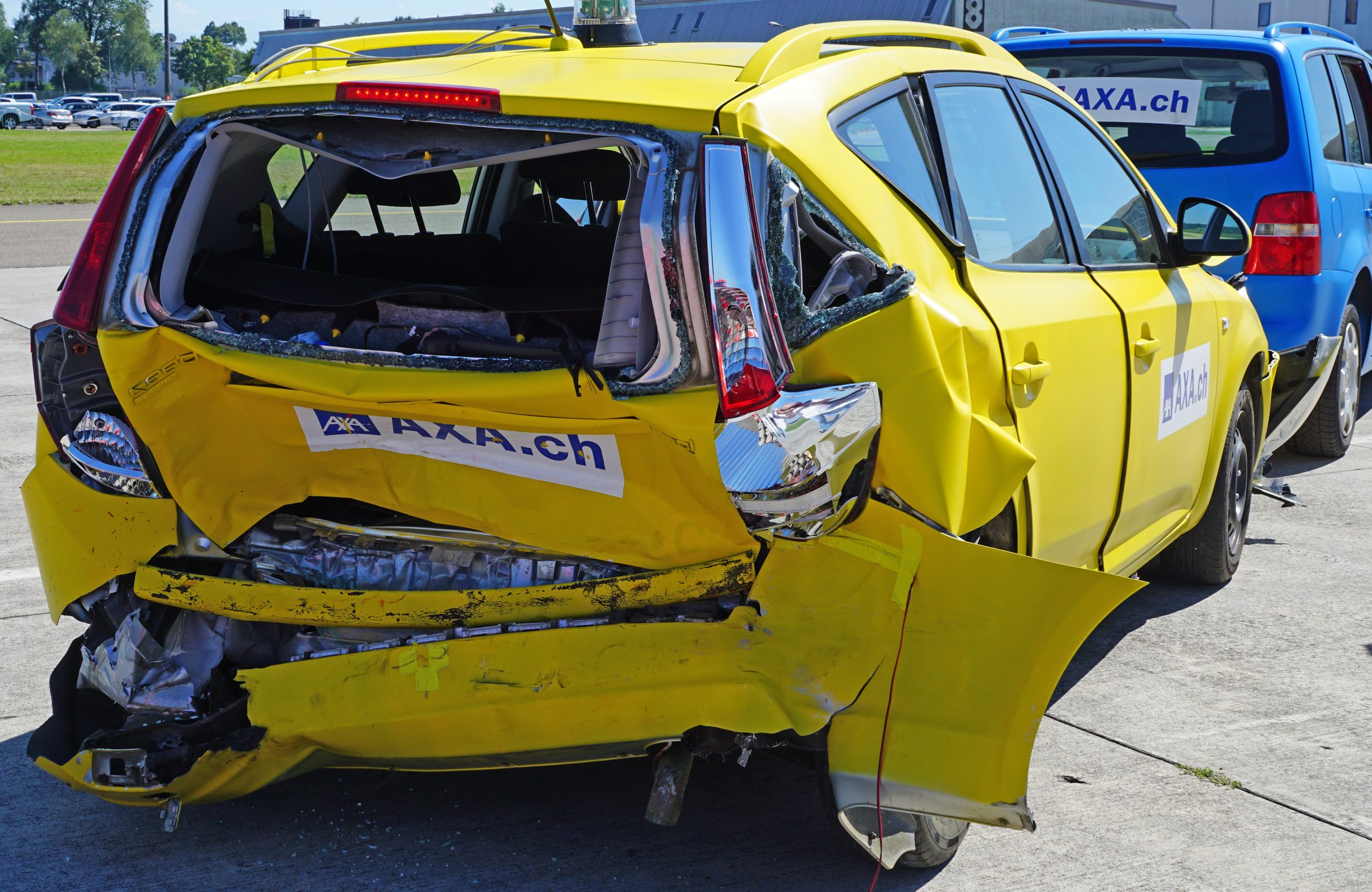 One of the joys of adulthood is figuring out insurance coverage for your vehicles. Selecting the right coverage can be incredibly challenging when you own a small business because there are unclear lines between personal and company vehicles. This can be especially challenging if an accident occurs when driving a different vehicle than you usually drive. Can your insurance policy cover you when driving a different vehicle because your regular vehicle is out of commission and needs repairs? The subsequent lawsuit helps answer this question.
 Even if you have a unique job like a stunt performer, you can still get brought down to Earth by the complexities of determining what your insurance policies do and do not cover if you are involved in an insurance coverage dispute. In that case, it is important to understand the plain language of your insurance contract, how different provisions in the policy interact, and how courts interpret insurance policies.